


Game of Farmers

Idle Zoo Safari Rescue
My Voice Zoo 2

MadZOOng

Tiger Simulator 3D
My Voice Zoo Unblocked

Merge Party


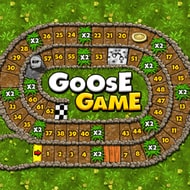














Game of Farmers places players in charge of a growing agricultural operation where careful planning shapes every outcome. Instead of fast reactions, the focus is on managing land, crops, and production cycles in a structured way. Game of Farmers encourages steady decision-making, allowing players to build efficient routines and gradually expand their influence through interconnected farming systems within a single game environment.
The central activity in Game of Farmers revolves around planting, harvesting, and reinvesting resources. Each crop type follows a clear growth cycle, requiring players to balance timing and available space. Game of Farmers rewards those who plan ahead, as poor scheduling can slow overall progress in the game.
Key farming actions include:
By repeating these actions efficiently, players begin to see how small choices influence long-term success in Game of Farmers.
As progress continues, Game of Farmers introduces new plots and production options. Expansion is not automatic; it requires reinvesting earnings and choosing which areas to improve first. The game challenges players to maintain balance between growth and sustainability.
Common expansion elements include:
Game of Farmers avoids overwhelming complexity by introducing these systems gradually, helping players adjust their strategy as the game evolves.
Many players ask whether Game of Farmers includes shortcuts that reduce repetitive work. While there are no direct hacks, the game offers automation tools that reward thoughtful investment. These systems are designed to complement, not replace, active management.
A frequent question is whether Game of Farmers requires constant attention. Although regular interaction improves efficiency, progress continues steadily as long as systems are properly set up.
Game of Farmers structures long-term goals around optimization rather than completion. Players often revisit earlier stages to refine layouts or test different crop combinations. This flexibility keeps the game engaging beyond initial growth milestones.
The lasting appeal of Game of Farmers comes from its emphasis on control and gradual improvement. By combining clear mechanics, expandable systems, and optional automation, the game delivers a farming experience focused on thoughtful progression and strategic planning across extended play sessions.
